
Roofing in Southwest Florida: A Homeowner's Guide to Durability and Protection
Roofing in Southwest Florida: A Homeowner's Guide to Durability and Protection
Living in Southwest Florida means enjoying beautiful beaches, warm weather, and a vibrant lifestyle—but it also comes with unique challenges for your home's roof. The region's hot, humid climate, intense UV rays, heavy rainfall, and hurricane threats can accelerate wear and tear. From Fort Myers to Naples, homeowners need roofs that can withstand high winds, moisture, and extreme heat.
In this guide, we'll cover the key considerations for roofing in Southwest Florida, including common problems, best materials, building codes, and essential maintenance tips to keep your roof in top shape.
Unique Challenges for Roofs in Southwest Florida
Southwest Florida's subtropical climate creates a perfect storm for roofing issues:
Hurricanes and High Winds: Winds over 130 mph can lift shingles or tiles, leading to uplift damage.
Heavy Rain and Humidity: Frequent storms cause leaks, mold, and mildew growth.
Intense Sun and UV Exposure: Prolonged heat dries out materials, causing cracking, curling, or warping.
Salt Air in Coastal Areas: Corrosion affects metal components near the Gulf.
These factors shorten roof lifespans compared to milder climates, making proactive care essential.
Best Roofing Materials for Hurricane Resistance and Durability
Choosing the right material is crucial. Here's a breakdown of top options for Southwest Florida:
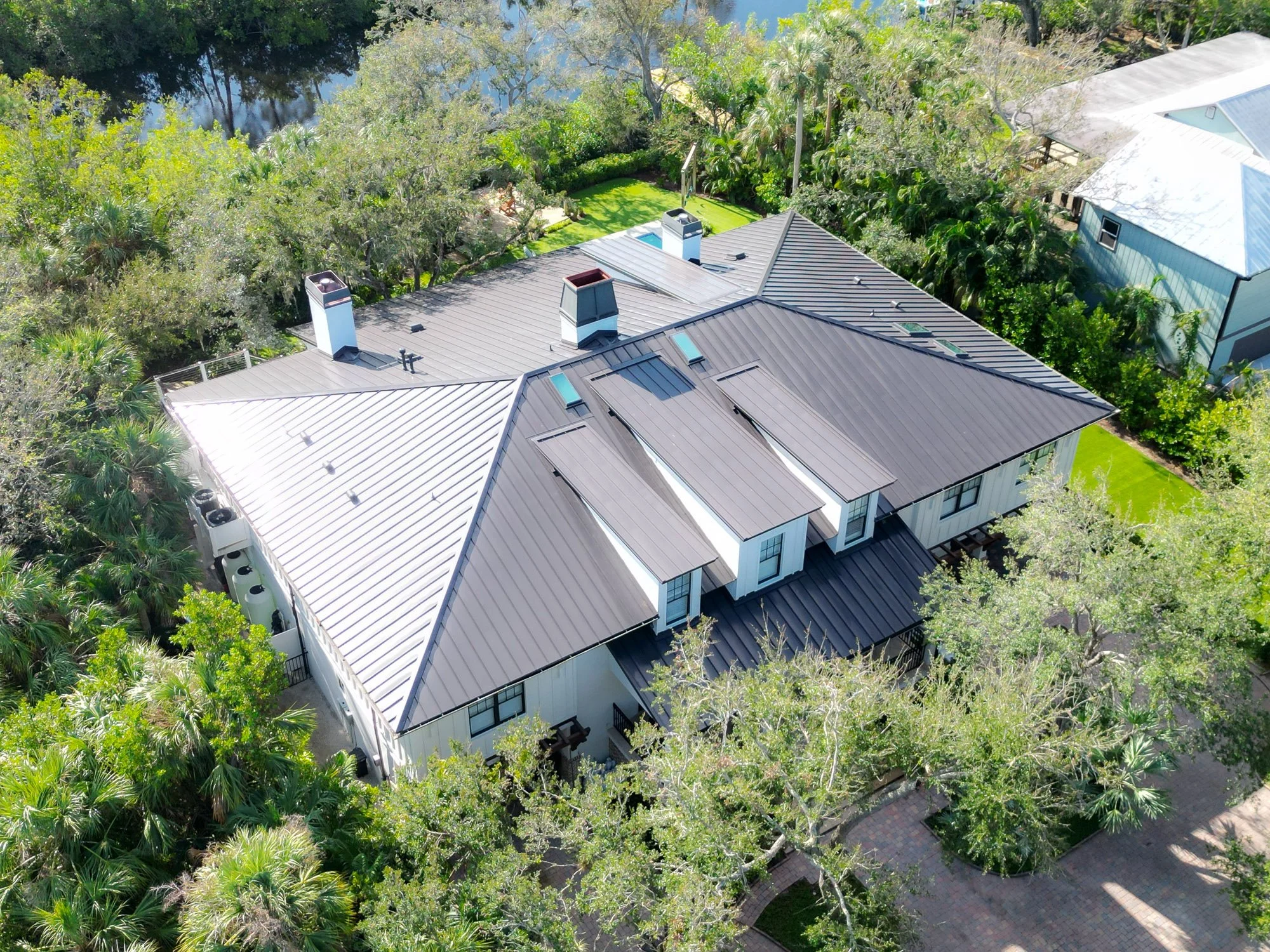
Metal Roofing: Often considered the most hurricane-resistant, metal roofs withstand winds up to 160+ mph. They're lightweight, energy-efficient (reflecting heat), and long-lasting (40-70 years). Ideal for modern homes, though noisier during rain.
Concrete or Clay Tiles: Popular for their Mediterranean aesthetic, these are heavy and interlocking, providing excellent wind resistance and natural insulation. They last 50+ years and handle heat well.
Impact-Resistant Asphalt Shingles: Affordable and common, upgraded versions with hurricane ratings offer good protection when properly installed.
For maximum protection, opt for hurricane-resistant designs like hip roofs (sloped on all sides) and features such as sealed decks and reinforced straps.
Florida Building Codes and Compliance (2025 Updates)
Florida has some of the strictest roofing codes in the U.S., updated regularly for better storm resistance. Key 2025 points:
Enhanced wind load requirements and sealed roof decks to prevent water intrusion.
Secondary water barriers and reinforced underlayment.
Changes to the "25% rule": Partial repairs allowed if the existing roof meets older codes.
All materials must have Florida Product Approval for high-velocity hurricane zones.
Always hire licensed contractors familiar with local codes—permits are required for replacements.
Common Roofing Problems and Prevention
Watch for these issues:
Leaks from damaged flashing or clogged gutters.
Algae/mold streaks due to humidity.
Shingle/tile damage from wind or debris.
UV degradation causing brittleness.
Prevention: Schedule inspections twice yearly (before/after hurricane season) and after storms.
Essential Maintenance Tips
To extend your roof's life:
Inspect Regularly: Check for missing/damaged shingles, leaks, or growth.
Clean Gutters and Debris: Prevent water buildup.
Trim Trees: Keep branches away to avoid damage.
Ensure Ventilation: Reduce heat and moisture in the attic.
Best Timing for Replacements: Dry season (November-April) for ideal conditions.
Professional cleanings and treatments can combat algae and UV damage.
Final Thoughts
A strong roof is your home's first line of defense in Southwest Florida. Investing in durable materials, staying code-compliant, and maintaining regularly can save money, boost energy efficiency, and provide peace of mind during storm season.
If you're considering a new roof or repairs, consult a local expert. Stay safe and enjoy the sunshine—your roof has your back!
Living in Southwest Florida means enjoying beautiful beaches, warm weather, and a vibrant lifestyle—but it also comes with unique challenges for your home's roof. The region's hot, humid climate, intense UV rays, heavy rainfall, and hurricane threats can accelerate wear and tear. From Fort Myers to Naples, homeowners need roofs that can withstand high winds, moisture, and extreme heat.
In this guide, we'll cover the key considerations for roofing in Southwest Florida, including common problems, best materials, building codes, and essential maintenance tips to keep your roof in top shape.
Unique Challenges for Roofs in Southwest Florida
Southwest Florida's subtropical climate creates a perfect storm for roofing issues:
Hurricanes and High Winds: Winds over 130 mph can lift shingles or tiles, leading to uplift damage.
Heavy Rain and Humidity: Frequent storms cause leaks, mold, and mildew growth.
Intense Sun and UV Exposure: Prolonged heat dries out materials, causing cracking, curling, or warping.
Salt Air in Coastal Areas: Corrosion affects metal components near the Gulf.
These factors shorten roof lifespans compared to milder climates, making proactive care essential.
Best Roofing Materials for Hurricane Resistance and Durability
Choosing the right material is crucial. Here's a breakdown of top options for Southwest Florida:
Metal Roofing: Often considered the most hurricane-resistant, metal roofs withstand winds up to 160+ mph. They're lightweight, energy-efficient (reflecting heat), and long-lasting (40-70 years). Ideal for modern homes, though noisier during rain.
Concrete or Clay Tiles: Popular for their Mediterranean aesthetic, these are heavy and interlocking, providing excellent wind resistance and natural insulation. They last 50+ years and handle heat well.
Impact-Resistant Asphalt Shingles: Affordable and common, upgraded versions with hurricane ratings offer good protection when properly installed.
For maximum protection, opt for hurricane-resistant designs like hip roofs (sloped on all sides) and features such as sealed decks and reinforced straps.
Florida Building Codes and Compliance (2025 Updates)
Florida has some of the strictest roofing codes in the U.S., updated regularly for better storm resistance. Key 2025 points:
Enhanced wind load requirements and sealed roof decks to prevent water intrusion.
Secondary water barriers and reinforced underlayment.
Changes to the "25% rule": Partial repairs allowed if the existing roof meets older codes.
All materials must have Florida Product Approval for high-velocity hurricane zones.
Always hire licensed contractors familiar with local codes—permits are required for replacements.
Common Roofing Problems and Prevention
Watch for these issues:
Leaks from damaged flashing or clogged gutters.
Algae/mold streaks due to humidity.
Shingle/tile damage from wind or debris.
UV degradation causing brittleness.
Prevention: Schedule inspections twice yearly (before/after hurricane season) and after storms.
Essential Maintenance Tips
To extend your roof's life:
Inspect Regularly: Check for missing/damaged shingles, leaks, or growth.
Clean Gutters and Debris: Prevent water buildup.
Trim Trees: Keep branches away to avoid damage.
Ensure Ventilation: Reduce heat and moisture in the attic.
Best Timing for Replacements: Dry season (November-April) for ideal conditions.
Professional cleanings and treatments can combat algae and UV damage.
Final Thoughts
A strong roof is your home's first line of defense in Southwest Florida. Investing in durable materials, staying code-compliant, and maintaining regularly can save money, boost energy efficiency, and provide peace of mind during storm season.
If you're considering a new roof or repairs, consult a local expert. Stay safe and enjoy the sunshine—your roof has your back!